
Shanghai Municipality
Shanghai
A practical Shanghai city guide for foreign visitors: compare Pudong and Hongqiao airports, choose Puxi or Pudong by itinerary direction, and avoid railway-station mistakes.
Suggested stay: 3 days
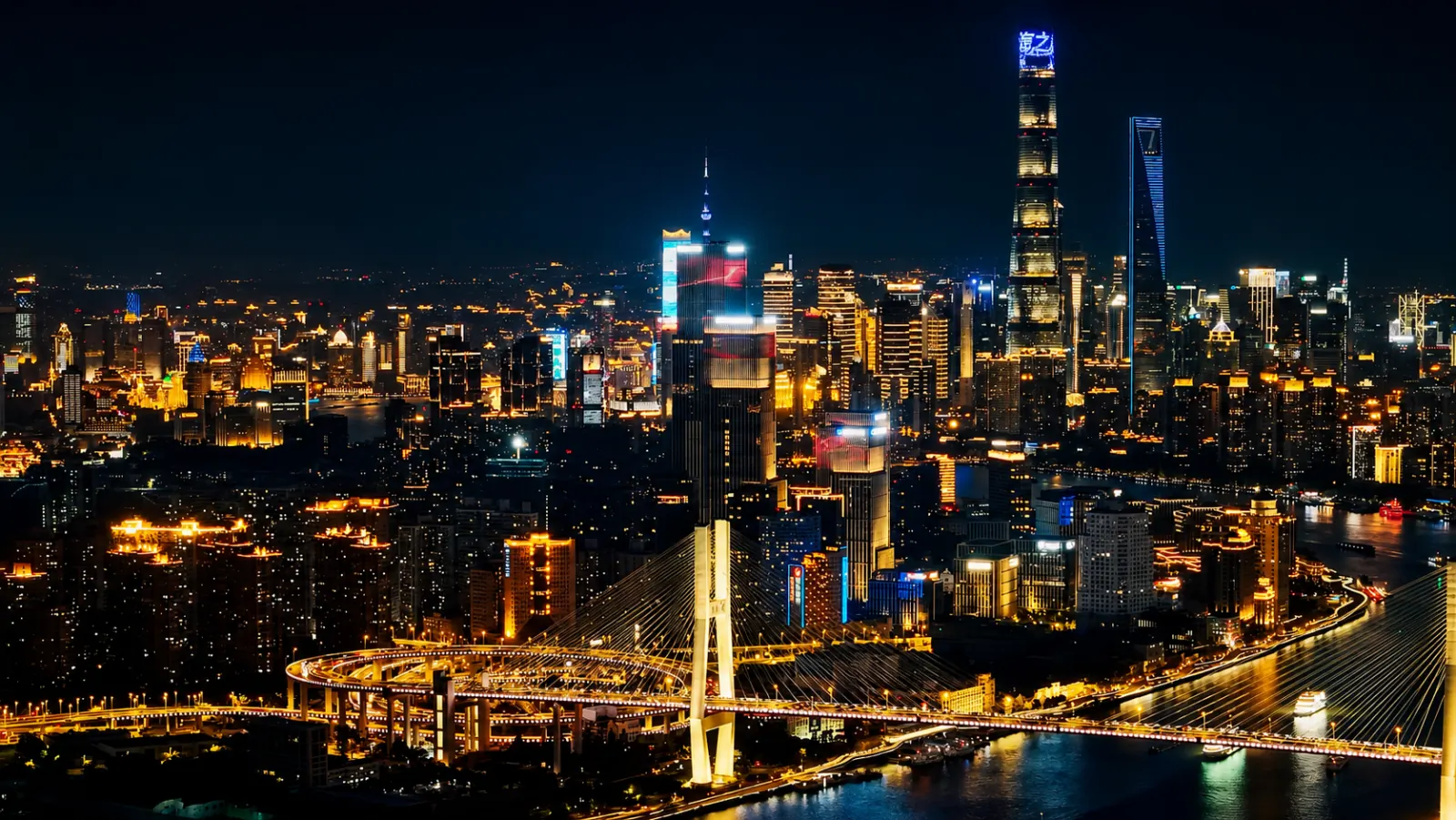
Shanghai feels straightforward only after the first transport decision is right. Its two airports serve very different parts of the city, its major railway hub is attached to one of them, and “central Shanghai” can mean a long way from the place you need to be tomorrow morning.
The useful question is not whether to stay in Pudong or Puxi because one is more famous. Ask which airport you are using, which railway station is printed on the next ticket, whether your first day is on the west or east side of the Huangpu, and how late you arrive. Answer those four questions before choosing a hotel and the rest of Shanghai becomes much easier to operate.
This is a practical city guide for independent foreign visitors. It explains the airport-and-rail geography, accommodation bases, late arrivals and the habits that stop a smooth Shanghai itinerary becoming a sequence of expensive cross-city transfers.
Is Shanghai Right for Your Trip? At a Glance
Shanghai is one of China’s easiest cities to use as an international arrival or departure point. It suits first-time visitors who want a dense urban experience, travellers continuing by high-speed rail into the Yangtze River Delta, and business visitors who can choose a base near the right district.
Give it two full days for a short city visit, three if museums, neighbourhood walking and a slower pace matter. A day trip from another city is possible only when the rail arrival and departure are both at Hongqiao and the plan stays focused. It is a poor place for an itinerary that assumes the Bund, an outer Pudong hotel, Hongqiao Station and a late Pudong flight are all conveniently close.
Shanghai at a Glance
| Category | Practical assessment |
|---|---|
| Recommended stay | 2–3 full days; longer if using it as a rail gateway |
| City scale | Large and spread across both sides of the Huangpu |
| Main transport | Metro, walking within districts, taxi or ride-hailing for awkward final legs |
| Walking intensity | Moderate, but station and interchange walks can be long |
| Advance booking pressure | Moderate; higher for major museums, viewpoints and holidays |
| Late-night arrival difficulty | Higher at Pudong than Hongqiao |
| Main airports | Shanghai Pudong (PVG) and Shanghai Hongqiao (SHA) |
| Main railway stations | Shanghai Hongqiao, Shanghai, Shanghai South and Shanghai West |
| Main planning risk | Booking a hotel that is convenient for neither the airport nor the next train |
| Best planning method | Choose the first airport/rail movement, then choose the district |
Understand Shanghai Before Booking
Puxi: the historic and central-west side
Puxi is the broad practical term for the west side of the Huangpu. It includes the Bund, People’s Square, Jing’an, Xuhui and the former French Concession area. It gives a visitor more walkable neighbourhood choices and easier access to Hongqiao, but it is still a large area: a hotel near the Bund and a meeting in western Hongqiao are not neighbours.
Pudong: airport, skyline and separate distances
Pudong includes Shanghai Pudong International Airport (PVG), Lujiazui and extensive outer districts. A Lujiazui stay can be sensible for east-side business or skyline views. It should not be confused with “near the airport”: outer Pudong and PVG remain a substantial journey from the central riverfront.
The Hongqiao hub is an airport-and-rail district
Shanghai Hongqiao International Airport (SHA) and Shanghai Hongqiao Railway Station form one of the country’s most useful air-rail hubs. It is excellent for a same-day high-speed-rail arrival or departure, but is west of the main visitor districts. A one-night hotel nearby is efficient; it is not automatically the best base for a leisure stay.
The Huangpu is a boundary, not a reason to avoid one side
Crossing the river is normal, but repeated crossings waste time. Put a Pudong observation deck, a Lujiazui meeting and an eastern museum in the same part of the day. Keep the Bund, Nanjing Road, Jing’an or Xuhui on a different day where possible.
Entry, Visa and Arrival Planning
Shanghai is an international gateway, but entry permission depends on passport, dates and the full onward route. The National Immigration Administration’s 240-hour transit notice covers conditions around eligible nationalities, an onward ticket to a third country or region, ports and stay areas. It is not a shortcut for any itinerary that happens to include Shanghai.
Use the visa checker as a planning tool and confirm the precise itinerary with the airline and official immigration sources. For a self-arranged domestic connection after international arrival, allow time for border formalities and baggage rather than treating it as an airside transfer.
Arriving in Shanghai
Shanghai Pudong International Airport — 上海浦东国际机场 (PVG)
Pudong is the main long-haul gateway and sits east of the central districts. It serves both international and domestic flights. The Shanghai government’s current airport transport guide lists metro, Maglev, buses and taxis, and notes that road travel is sensitive to traffic. Its guidance puts a typical Metro Line 2 journey to People’s Square at around an hour; use that as an orientation, not a guarantee for a hotel door.
If you land late, check the final rail or airport-bus departure before booking a central hotel. A taxi or ride-hailing car can be the sensible choice after international arrival, especially with luggage. Use the official queue and show the complete Chinese address.
Shanghai Hongqiao International Airport — 上海虹桥国际机场 (SHA)
Hongqiao is west of the centre and closely integrated with the railway station. It mainly handles domestic and regional services. Terminal 1 connects with Metro Line 10; Terminal 2 connects with Lines 2 and 10, according to the official airport transport guide. It is normally the more efficient airport for a hotel around Jing’an, Xuhui or the Hongqiao rail hub.
Do not assume a short check-in cutoff means you can arrive at the terminal late. Airport security, baggage drop and terminal access still need a proper buffer; the current Hongqiao airline guidance says to check the operator’s latest rules.
Moving between PVG and SHA
The Airport Link Line now connects Hongqiao Airport Terminal 2 and Pudong Airport Terminal 1&2. The official Airport Link Line guide describes a roughly 40-minute end-to-end ride, but that is not the entire connection: add time to change terminals, collect bags if necessary, walk to the platform and check in again. Avoid self-connecting between airports on a tight ticket.
Which Railway Station Should You Use?
Shanghai Hongqiao Railway Station — 上海虹桥站
This is the key station for much of the high-speed-rail network towards Hangzhou, Suzhou, Nanjing and other Yangtze River Delta cities. Its link with Hongqiao Airport makes it very convenient for a rail-first itinerary. It is a large complex; read the exact station name and leave time for a long internal walk.
Shanghai Railway Station — 上海站
Shanghai Railway Station is closer to the traditional central city than Hongqiao and serves a different mix of trains. Do not book transport to “Shanghai station” without checking whether the ticket says Shanghai, Shanghai Hongqiao, Shanghai South or Shanghai West.
Shanghai South and Shanghai West
These stations matter for particular routes but should not be treated as interchangeable alternatives. Search the exact Chinese name on a map and check the hotel-to-station journey before a dawn departure.
Five Things to Confirm Before Taking a Train
- The complete station name in Chinese and English.
- Whether the station is connected to your airport or hotel by a direct metro route.
- Your passport details on the booking and the original passport in your bag.
- The station entrance and security buffer, not just the platform departure time.
- A route that still works in rain, rush hour or with a suitcase.
Where to Stay in Shanghai
Jing’an or the former French Concession area
Good for a first leisure stay: dining, neighbourhood walking and useful metro access. It suits Hongqiao better than Pudong Airport, though no central hotel makes a PVG flight a quick journey.
People’s Square or Nanjing Road direction
Convenient for central sights and Line 2 access. It can be busy, tourist-heavy and less restful at peak times. Check the exact hotel street rather than relying on a broad district label.
The Bund or North Bund
Useful for riverfront evenings and a short stay centred on the historic waterfront. It is less ideal if the next morning starts at Hongqiao Station or an exhibition venue in the west.
Lujiazui, Pudong
Useful for east-side business, skyline access and some airport-oriented itineraries. Choose it because your daily direction is east, not because the word “Pudong” sounds airport-close.
Hongqiao hub
Best for an early train, late domestic arrival or exhibition-business itinerary. It is a practical stopover base, not a substitute for staying in the centre when the trip is mainly about central districts.
Getting Around Shanghai
Metro and Airport Link Line
Shanghai Metro is the backbone of the city, but station size can make an apparently direct route slower than expected. Keep journeys district-based and watch for an exit that leaves you on the wrong side of a major road. The English version of the city’s mobility platform provides airport and rail guidance, including the Airport Link Line, Maglev, metro, bus and taxi options; see the Shanghai transport service update.
Taxis and ride-hailing
They are especially useful for a final leg from the metro, a wet evening or hotel-to-station luggage trip. Traffic can make them unreliable at the most obvious rush-hour times, so do not use a road-only plan for a flight or high-speed train.
Walking and ferries
Walking is enjoyable inside a district but inefficient across the city. The public ferry can be a pleasant river crossing when it fits the day, but should not be the only plan before a fixed appointment or a late train.
Maps, Addresses, Payments and Useful Apps
Save these names, not just a hotel pin:
- Shanghai Pudong International Airport — 上海浦东国际机场
- Shanghai Hongqiao International Airport — 上海虹桥国际机场
- Shanghai Hongqiao Railway Station — 上海虹桥站
- Shanghai Railway Station — 上海站
- Shanghai South Railway Station — 上海南站
- People’s Square — 人民广场
- The Bund — 外滩
- Lujiazui — 陆家嘴
For airports and large stations, also save the terminal, the correct metro station and the pickup level. A driver can take you to the right airport but the wrong terminal; a map can find the right station while sending you to a distant entrance.
Reservations, Tickets and Passport Checks
Shanghai has fewer blanket booking pressures than Beijing, but major museums, popular viewpoints, exhibitions and seasonal events can still require a timed reservation. Use the official venue channel, carry the passport used for the booking and keep a screenshot of the confirmation. Opening hours, identity rules and ticket-release times can change, so do not copy a fixed instruction from an old blog.
The larger practical issue is rail. China’s real-name ticketing uses identity documents, and foreign travellers should carry the passport used to buy the ticket. The State Council’s foreign-traveller guide explains the accepted-document framework and payment options; check 12306 for the current route and boarding details.
How to Plan Each Day in Shanghai
Keep west-side districts together
Jing’an, Xuhui, the former French Concession and central Puxi fit together much better than an afternoon dash to outer Pudong.
Use one river crossing deliberately
Pair the Bund and central Puxi with a riverfront evening, or put Lujiazui and other east-side commitments in one block. Cross only when there is a reason.
Make airport day a transport day
For a PVG departure, keep the final activity near the correct rail or road corridor. For an SHA departure, the Hongqiao hub can make a same-day train connection feasible, but do not assume it eliminates check-in and security time.
Walking, Terrain and Weather
Shanghai is comparatively flat, but the workload comes from long station corridors, large airports, underground interchanges and humid summer streets. Families, older travellers and visitors carrying luggage should favour a direct taxi for the last leg rather than repeatedly changing metro lines. In hot weather, build indoor breaks into the afternoon instead of trying to walk the entire riverfront in one stretch.
How Weather Affects the Trip
Rain makes road traffic, taxi availability and outdoor waterfront plans less predictable. Summer humidity can turn a reasonable walking route into a tiring one. Typhoon and severe-weather alerts can affect flights and some river or coastal transport, so keep airline and rail notifications switched on during the final days before travel.
Do not assume every holiday closure or late metro service is permanent. Shanghai occasionally extends or changes services for large events and holidays; confirm the exact date with the operator.
Eating in Shanghai: What Visitors Should Know
Meals are easy to find, but ordering systems are frequently QR based and queues are common at popular places. Ask for a physical menu or staff help if an app requires a local number. In group restaurants, check whether dishes are intended to share and whether the menu price is per item, portion or seasonal market weight.
Useful phrases:
- 不要辣 — bú yào là — no chilli
- 不要花生 — bú yào huāshēng — no peanuts
- 我对海鲜过敏 — wǒ duì hǎixiān guòmǐn — I am allergic to seafood
- 这个是按份还是按斤?— zhège shì àn fèn háishi àn jīn — is this priced by portion or by weight?
- 可以不用扫码点单吗?— kěyǐ bú yòng sǎomǎ diǎndān ma — may I order without scanning a code?
Payments, Internet and Useful Apps
Shanghai’s airport and transport systems are digitised, but the fallback is simple: a charged phone, a working payment method, a map that recognises Chinese names and a saved address. Pudong Airport has added traveller service support for payment, SIM cards, transport and Wi-Fi; the city’s airport traveller update is useful for checking current facilities before a long arrival.
Prepare Alipay or WeChat Pay, a second payment method, 12306 for rail, a translation tool and a power bank. For national setup steps, use our China payments guide and essential apps guide.
Common Mistakes and High-Pressure Periods
Flying into the airport that does not fit the next day
PVG and SHA can lead to very different first-night and train-station journeys.
Treating “Pudong” as one location
Lujiazui, the airport and outer Pudong are not interchangeable bases.
Booking Hongqiao Station transport for a train from Shanghai Station
The exact station name matters more than the city name.
Planning a cross-airport self-connection too tightly
The Airport Link ride is only one part of a terminal-to-terminal transfer.
Crossing the Huangpu repeatedly in one day
Build the day by bank and district instead.
Assuming the last metro covers a delayed international arrival
Check the live timetable and keep an official taxi plan.
Saving an English hotel name without the address
Drivers and pickup systems work best with the Chinese address and exact entrance.
Using a road journey for every time-critical transfer
Metro and rail can be more predictable than rush-hour traffic.
When to Plan More Carefully
Chinese public holidays, school breaks, major exhibitions, trade fairs and large concerts push up hotel prices and transport demand. The China International Import Expo period around the National Exhibition and Convention Center is particularly relevant to the Hongqiao area; confirm exact dates through the organiser before booking. On peak weekends, reserve headline venues, choose restaurant times outside the obvious rush and avoid a fixed departure immediately after a popular attraction.
Leaving Shanghai for Your Next Destination
Shanghai works best as a gateway when the next leg determines the hotel. Hongqiao Station is usually the first place to check for high-speed services towards Suzhou, Hangzhou, Nanjing and many other nearby cities. For a PVG flight after a rail trip, consider an overnight near the airport or leave a long buffer rather than attempting a same-day cross-city dash.
For Hangzhou or Suzhou, rail is usually more sensible than flying. For longer domestic routes, compare the true station-to-airport time, not only the advertised flight duration. International departures from PVG should have the most conservative buffer of all.
Before You Travel: Shanghai Checklist
Entry and documents
- Confirm entry conditions against your whole flight route.
- Carry the passport used for rail and venue bookings.
Airport
- Check whether the ticket says PVG or SHA, and the correct terminal.
- Save a late-arrival rail, bus and official taxi fallback.
Railway
- Confirm Shanghai Hongqiao, Shanghai, Shanghai South or Shanghai West.
- Check station access before choosing a station-area hotel.
Accommodation
- Choose Puxi, Lujiazui or Hongqiao for the next day’s direction.
- Do not book outer Pudong for a central leisure visit without checking travel time.
Reservations
- Lock any timed museum, exhibition or viewpoint entry before planning the route around it.
Phone and payment
- Save Chinese addresses, a power bank and a second payment option.
Weather and equipment
- Keep indoor alternatives for humid rain or heat.
- Monitor severe-weather notices before flights.
Before leaving the hotel each day
- Check the station name, airport terminal, metro exit and pickup point.
Final Takeaway
Shanghai rewards accurate transport choices. The city can feel wonderfully efficient when the airport, rail station and accommodation base point in the same direction; it feels needlessly complicated when they do not.
Choose the airport written on the ticket, the exact station written on the rail booking and the district that supports the next morning. Everything else—riverfront walks, museums, food and neighbourhood time—fits more naturally once those decisions are settled.
Related China Travel Pulse Guides
- China visa and transit checker
- China airport transfer guide
- China high-speed rail guide
- How to use DiDi in China
- Best map apps for China
Last reviewed: July 2026
Airport transport, railway services, reservation rules, opening arrangements, entry policies and local transport procedures may change. Check official sources again before travelling.