
Sichuan Province
Chengdu
A practical Chengdu city guide for foreign visitors: choose between Tianfu and Shuangliu airports, use the correct railway station, prepare for Sichuan food and plan regional travel separately.
Suggested stay: 3 days
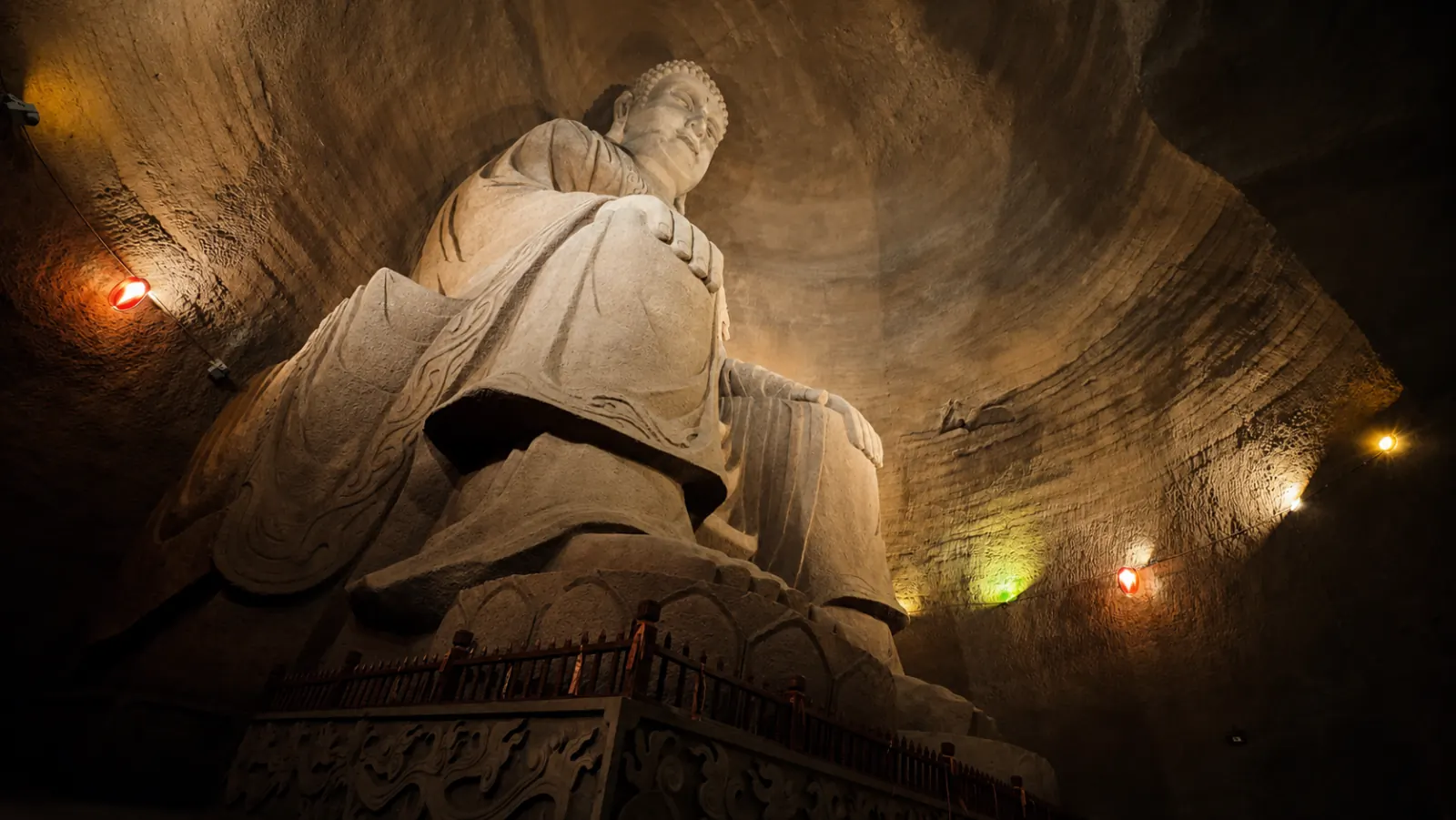
Chengdu is easy to enjoy when you understand what it is connected to. The city has two airports, several major railway stations and a role far larger than a weekend city break: it is a starting point for western Sichuan, mountain routes and some of China’s most ambitious onward journeys. The relaxed pace in central Chengdu can hide the fact that a transfer to Tianfu Airport or a regional departure requires real planning.
For a city-only visit, the key is choosing a hotel with a workable metro and evening base. For a Sichuan itinerary, the key is different: choose the airport and railway station around the next move, protect transfer time and do not confuse a central Chengdu plan with a western-Sichuan road trip.
This guide explains the practical decisions foreign visitors need before booking: Tianfu versus Shuangliu, Chengdu East versus other stations, food heat and Sichuan pepper, and the difference between staying in the city and using it as a transport hub.
Is Chengdu Right for Your Trip? At a Glance
Chengdu suits first-time visitors who want a large but liveable Chinese city, food-focused travellers and anyone beginning or ending a Sichuan route. Two full days is enough for a focused city stay; three gives time to slow down or include a day outside the core. Add buffer nights if your itinerary continues to high-altitude or mountain areas, where weather and road conditions can affect plans more than an urban rail schedule does.
It is a good base for families when the day is not overfilled, but the popular panda visit, airport transfer and long-distance rail departure should not be stacked into a single morning. Visitors who dislike humidity, spicy food or lengthy regional transfers should choose their season and accommodation base carefully.
Chengdu at a Glance
| Category | Practical assessment |
|---|---|
| Recommended stay | 2–3 full days for the city; add buffer for regional travel |
| City scale | Large, with a central core and extensive suburban transport areas |
| Main transport | Metro, taxis and ride-hailing; rail for onward Sichuan routes |
| Walking intensity | Moderate in the city; higher at large stations and scenic destinations |
| Advance booking pressure | Moderate; higher for popular attractions and holidays |
| Late-night arrival difficulty | Higher at Tianfu because it is far from central Chengdu |
| Main airports | Chengdu Tianfu (TFU) and Chengdu Shuangliu (CTU) |
| Main railway stations | Chengdu East, Chengdu South, Chengdu West and Chengdu Railway Station |
| Main planning risk | Treating a regional-transfer day as though it were a central-city day |
| Best planning method | Fix the next airport or station first, then choose the hotel district |
Understand Chengdu Before Booking
The central city: Chenghua, Jinjiang, Qingyang and Wuhou
Most short-stay visitors spend time across central Chengdu rather than in a single old-town district. Chunxi Road and Taikoo Li are convenient for central shopping, dining and metro access; Tianfu Square and nearby areas work well for broad connections; Wuhou direction can make sense for south-western city sights and a different hotel rhythm. Choose one according to your actual daily routes, not simply because it appears at the top of a booking-site search.
Chengdu East is a transport district, not the city centre
Chengdu East Railway Station is a major high-speed-rail hub and is useful for a one-night connection or an itinerary that starts early by train. It is not the best leisure base if evenings, central food streets and walkable neighbourhoods are the point of the stay.
South Chengdu and the Tianfu New Area
South-side business districts can be excellent for work or a Tianfu-direction itinerary, but may be inconvenient for a first short stay centred on older neighbourhoods. The word “Tianfu” appears in airport, district, road and station names; always confirm the full Chinese name and location.
Western Sichuan begins after the city
Destinations such as Jiuzhaigou, Kangding, Tagong, Daocheng and mountain areas are not Chengdu day trips merely because they are in the same province. They may require a separate transport day, altitude preparation, weather contingency and an overnight. Chengdu is the staging city, not the shortcut around that planning.
Entry, Visa and Arrival Planning
Tianfu Airport is an international gateway, but entry rules depend on the traveller’s passport, dates and complete route. A transit permission is not determined by a city name or an airport code alone. The National Immigration Administration’s 240-hour transit policy notice sets out requirements about eligible nationalities, onward travel and ports; use the China Travel Pulse visa checker for an independent planning assessment and confirm with official sources and the airline.
On busy holiday periods, immigration and airport transport may take longer. The National Immigration Administration specifically identified Tianfu among airports expected to see elevated passenger flows in its May Day 2026 travel advisory. Treat that as a reminder to build a buffer, not as a forecast for every date.
Arriving in Chengdu
Chengdu Tianfu International Airport — 成都天府国际机场 (TFU)
Tianfu is the newer airport and sits well away from central Chengdu. This is the airport that most often causes a bad first-night decision: a cheap central hotel can be entirely sensible for several city days, but it does not turn the arrival into a short transfer. Plan a long ground journey, especially after an international arrival, and do not book an early city activity the same day.
Airport rail, metro, bus, taxi and ride-hailing options serve different destinations. Chengdu’s official city guide has historically published airport-bus routes and emphasised that travellers should check which of Chengdu’s two airports is on the booking; its Tianfu transport guidance is useful for the principle, but exact routes and times must be checked with the operator before travel.
Tianfu is a reasonable choice for a south-side hotel, an onward flight or a planned rail transfer. It is less comfortable for a very short city visit that begins late at night and ends at a north-western station the next morning.
Chengdu Shuangliu International Airport — 成都双流国际机场 (CTU)
Shuangliu is closer to central Chengdu and can be the more convenient airport for a city-focused stay, depending on the airline and terminal. It is served by urban rail connections and road transport, but convenience still depends on the hotel district. Check the current airline terminal and the exact station or pickup point; airport allocations can change by season.
Do not self-connect casually between TFU and CTU
The airports are different transport projects. An air-to-air transfer may involve luggage collection, a long surface or rail journey, check-in and security at the second airport. If an itinerary requires it, leave a conservative connection or stay overnight in the appropriate direction. A self-made same-day connection is not the place to test a tight timetable.
Which Railway Station Should You Use?
Chengdu East Railway Station — 成都东站
Chengdu East is the station most independent travellers encounter for high-speed routes. It is a major hub, with substantial internal walking and metro access. Use it when the ticket says Chengdu East; do not send a driver to “Chengdu Railway Station” because the names sound similar.
Chengdu South Railway Station — 成都南站
Chengdu South can be useful for selected services and a south-side business itinerary. Check it carefully if your hotel is near Tianfu Avenue or the airport direction, but do not assume it replaces Chengdu East for a particular high-speed route.
Chengdu Railway Station and Chengdu West Railway Station
These stations serve different corridors. For an onward rail leg, use 12306 to identify the printed station, then plan the hotel-to-station route by the actual entrance. City-scale maps can make them look closer than they are at 06:00 with luggage.
Five Things to Confirm Before Taking a Train
- Chengdu East, South, West or Chengdu Railway Station—the full name matters.
- The Chinese station name, exit and hotel pickup route.
- Your original passport and ticket details.
- The station security and internal-walk buffer.
- Whether an airport-to-rail transfer needs an overnight rather than a rushed same day.
Where to Stay in Chengdu
Chunxi Road and Taikoo Li direction
This is a practical city base for central metro access, restaurants and evening walking. It suits a short leisure stay, though it can be busy and does not make Tianfu Airport close.
Tianfu Square or the central metro grid
Good for visitors who want broad network access rather than one particular nightlife area. Check the actual hotel entrance; large roads and underground passages can make a “two-minute walk” less straightforward with bags.
Wuhou or south-central Chengdu
Useful for a south-side itinerary, some business travel and visitors who prefer a different balance of central access and hotel quiet. Check the metro route to your planned station before committing.
Near Chengdu East
Choose this for one early train or late rail arrival. It is an efficient transport decision, not an all-purpose sightseeing recommendation.
Near Tianfu Airport or the south side
Useful for an early TFU departure, a late arrival or a work itinerary in the south. It is usually the wrong base for a first two-day city visit unless the airport timetable is the overriding constraint.
Getting Around Chengdu
Metro and urban rail
The metro is the most predictable way to travel between central districts and rail hubs. It is worth learning before arrival: Chengdu’s official Metro App guide describes how the city’s app presents live train and first/last-service information. App language and payment support can change, so prepare a separate map and a transport-payment backup.
Taxis and ride-hailing
They are valuable for airport luggage, the final kilometre, rain and late returns. Show a Chinese address. At airports and stations, use the designated pickup zone rather than accepting an unsolicited offer inside arrivals.
Buses and regional shuttles
Buses are often useful for a defined airport or scenic-area link, but they are less forgiving than metro when language, last service and luggage are concerns. Screenshot the departure point and the final service information if a bus is part of an onward regional journey.
Maps, Addresses, Payments and Useful Apps
Save these names before travel:
- Chengdu Tianfu International Airport — 成都天府国际机场
- Chengdu Shuangliu International Airport — 成都双流国际机场
- Chengdu East Railway Station — 成都东站
- Chengdu South Railway Station — 成都南站
- Chengdu Railway Station — 成都站
- Tianfu Square — 天府广场
- Chunxi Road — 春熙路
- Wuhou District — 武侯区
Save the full Chinese address, nearest metro station and exit, hotel vehicle entrance and a station pickup point. This is particularly useful in large mixed-use developments where the hotel lobby, car entrance and map pin sit on different sides of the same block.
Reservations, Tickets and Passport Checks
Popular attractions and cultural venues can use timed or passport-linked booking. The precise process varies by venue and may change during holidays, so verify it through the official channel rather than copying a ticket-release time. Carry the original passport used to book.
For rail, identity details matter. The State Council’s foreign-traveller guide explains the identity-document basis of real-name ticketing. The practical rule is simple: use the same passport details consistently and arrive early enough to clear the station without guessing which gate or queue is fastest.
How to Plan Each Day in Chengdu
Give the city centre its own day
Central Chengdu rewards a slow day with one or two nearby areas, food breaks and an evening close to the hotel. Do not turn it into a transit corridor between a panda visit, airport transfer and distant station.
Start popular morning visits from the correct side of the city
For a timed morning visit outside the core, check the rail or road direction the night before. A central hotel can still work, but only with a realistic departure time and saved Chinese destination.
Put regional travel on a separate calendar line
If the next destination is in western Sichuan, protect the preceding night. Repacking, altitude supplies, weather checks and a long bus or car departure are better done calmly than after a full city day.
Keep the final evening near the next departure
Before an early Chengdu East train or TFU flight, do not choose dinner based on a distant attraction. The relaxed part of the trip is more valuable when the next morning has no transfer drama.
Walking, Terrain and Weather
Central Chengdu is manageable on foot inside a chosen district, but distances between districts are not. Station corridors, airport concourses and large commercial developments add walking. Summer humidity and rain make a long outdoor route less pleasant than a metro-and-taxi combination.
The physical question changes completely if the trip continues into western Sichuan. Altitude, sun, cold nights, mountain roads and uneven paths are regional issues that should not be solved with an urban Chengdu packing list.
How Weather Affects the Trip
Rain and humid summer heat change taxi availability and walking pace. In warmer months, leave indoor space in the middle of the day and carry rain protection that does not make luggage cumbersome. For flights and mountain-bound transport, monitor official operator notices rather than relying on a city-centre weather app.
Winter city weather can feel damp and grey, but it is usually far less severe than the conditions on highland routes. Pack according to the highest and most remote place on the itinerary, not the Chengdu forecast alone.
Eating in Chengdu: What Visitors Should Know
Chengdu food is not simply “spicy”. Chilli heat, Sichuan pepper’s numbing sensation, oil, peanuts, sesame and meat stock can all matter. Tell staff what you need before ordering; removing visible chillies after cooking may not solve an allergy or sensitivity.
Useful phrases:
- 不要辣 — bú yào là — no chilli
- 不要花椒 — bú yào huājiāo — no Sichuan pepper
- 不要花生 — bú yào huāshēng — no peanuts
- 我对海鲜过敏 — wǒ duì hǎixiān guòmǐn — I am allergic to seafood
- 这个是素的吗?— zhège shì sù de ma — is this vegetarian?
- 可以少油吗?— kěyǐ shǎo yóu ma — can you use less oil?
At hotpot and shared-table restaurants, clarify what is in the base and whether a separate mild pot is available. Use a restaurant close to your hotel or the next transport hub on a departure night; the best meal of the trip is not helpful if it turns into a missed train.
Payments, Internet and Useful Apps
Prepare digital payment, a China-compatible map, translation, rail booking and a power bank before arriving. Chengdu’s transport ecosystem is app-heavy, but a saved address and a screenshot of a booking are often more useful than trying to solve a registration issue at a station gate.
Keep a second payment method and some cash. Read our guides to how to pay in China, essential travel apps and DiDi ride-hailing for setup advice that applies beyond one city.
Common Mistakes and High-Pressure Periods
Booking the wrong Chengdu airport
TFU and CTU are not small variations of the same arrival point. Read the code on the ticket.
Treating the Tianfu transfer as a quick city journey
Build a long airport buffer, especially after an international arrival or before an early flight.
Choosing a hotel before choosing the next station
Chengdu East, South, West and Chengdu Railway Station serve different practical directions.
Combining a major morning visit with a regional departure
City traffic, luggage and station security make this a fragile plan.
Assuming every Sichuan food request means the same thing
“Not spicy” does not automatically address peppercorn, peanuts, oil or broth.
Treating western Sichuan as a city day trip
Regional distances, weather and altitude need separate planning.
Relying on an English hotel name at pickup
Save the Chinese address and vehicle entrance.
Leaving a cross-airport connection to improvisation
Use a conservative schedule or an overnight.
When to Plan More Carefully
Chinese public holidays, school breaks, large concerts and regional festival periods affect Chengdu hotels, rail tickets and airport queues. During those dates, reserve timed attractions first, choose a hotel with a direct metro route and do not put an unchangeable mountain or airport transfer immediately after a popular city visit. Exact event dates and station arrangements should be checked close to travel.
Leaving Chengdu for Your Next Destination
For Chongqing, Xi’an and many other major cities, compare rail options by the actual Chengdu station on the ticket. For Jiuzhaigou, western Sichuan, Yunnan-bound routes or highland destinations, decide whether an internal flight, train, road transfer or organised trip is appropriate before the Chengdu hotel is booked.
Keep a final city night near the direction of the next departure when possible. An early Tianfu flight, an early Chengdu East train and a mountain-road pickup should be treated as three different departure problems. If the itinerary joins an international flight to a regional move, leave a recovery night rather than assuming every connection will run perfectly.
Before You Travel: Chengdu Checklist
Entry and documents
- Confirm entry arrangements using the complete itinerary.
- Keep the passport used for rail and attraction reservations accessible.
Airport
- Check TFU or CTU before booking a hotel or car.
- Save a late-arrival plan and do not schedule a tight airport-to-airport self-connection.
Railway
- Confirm Chengdu East, South, West or Chengdu Railway Station.
- Save the Chinese station name, exit and departure buffer.
Accommodation
- Choose central, east-station, south-side or airport-area lodging around the next two days.
- Verify the hotel’s vehicle entrance and nearest metro exit.
Reservations
- Confirm the official booking procedure and carry the original passport.
Phone and payment
- Set up a map, payment backup, translation and power bank.
Weather and equipment
- Pack for humid city weather and separately for any highland destination.
- Recheck mountain and road conditions before leaving Chengdu.
Before leaving the hotel each day
- Check airport code, railway station, Chinese address, pickup point and final service.
Final Takeaway
Chengdu is a comfortable city stay and a serious transport gateway at the same time. The easygoing pace belongs to the central days; the airport and regional journey deserve more discipline.
The decision that matters most is whether the trip is city-first or onward-travel-first. Pick the airport and hotel accordingly, keep your regional transfer day clear, and tell restaurants exactly what you mean by mild food. Chengdu then becomes a generous place to pause rather than a rushed interchange.
Related China Travel Pulse Guides
- China visa and transit checker
- China airport transfer guide
- China high-speed rail guide
- How to use DiDi in China
- How to pay in China as a foreigner
Last reviewed: July 2026
Airport transport, railway services, reservation rules, opening arrangements, entry policies and local transport procedures may change. Check official sources again before travelling.